A weekend visit to an aging parent's home is the perfect opportunity to assess their living environment. This practical 10-point checklist helps identify overlooked household hazards, reduce fall risks, and support independent living.
When you visit your aging parents for the weekend, your time is naturally filled with shared meals, warm conversations, and catching up on family news.
However, amidst the joy of reconnecting, these visits also provide a valuable opportunity to observe how safely your parent is living at home.
Many older adults quietly adapt to changes in their environment without realizing that small inconveniences have become serious safety concerns.
Falls rarely happen because of one dramatic event.
More often, they result from a collection of everyday hazards that gradually blend into the background of a familiar home.
By spending just twenty minutes reviewing this checklist during each visit, families can identify problems early and help aging parents remain safe and independent.
1. Check Doorways and Floor Transitions
Transition points between flooring surfaces are common trip hazards.
Look for:
- Raised transition strips
- Loose flooring materials
- Uneven thresholds
- Worn carpeting edges
Small height differences can become significant obstacles for older adults.
💡 Frequently Asked Questions
My parent refuses home safety changes. What should I do?
Avoid presenting updates as "senior modifications." Instead, describe them as comfort or convenience improvements that benefit everyone in the household.
What is the easiest safety improvement I can make today?
Motion-activated nightlights are inexpensive, easy to install, and significantly improve nighttime visibility.
How often should families perform a home safety review?
A formal review twice per year is ideal, but a quick safety scan during every visit helps identify new risks before they become serious.
2. Review Nighttime Lighting
Many falls occur during nighttime trips to the bathroom.
Look for:
- Dark hallways
- Poorly lit bathrooms
- Missing nightlights
- Hard-to-reach light switches
Improved lighting can dramatically reduce nighttime fall risks.
3. Evaluate Kitchen Accessibility
Daily-use items should be easy to reach.
Look for:
- Frequently used items stored on high shelves
- Heavy cookware in difficult locations
- Reliance on step stools
- Cluttered counters
Reorganizing storage often improves safety immediately.
4. Inspect Bathroom Safety Features
Bathrooms remain one of the highest-risk areas for falls.
Check for:
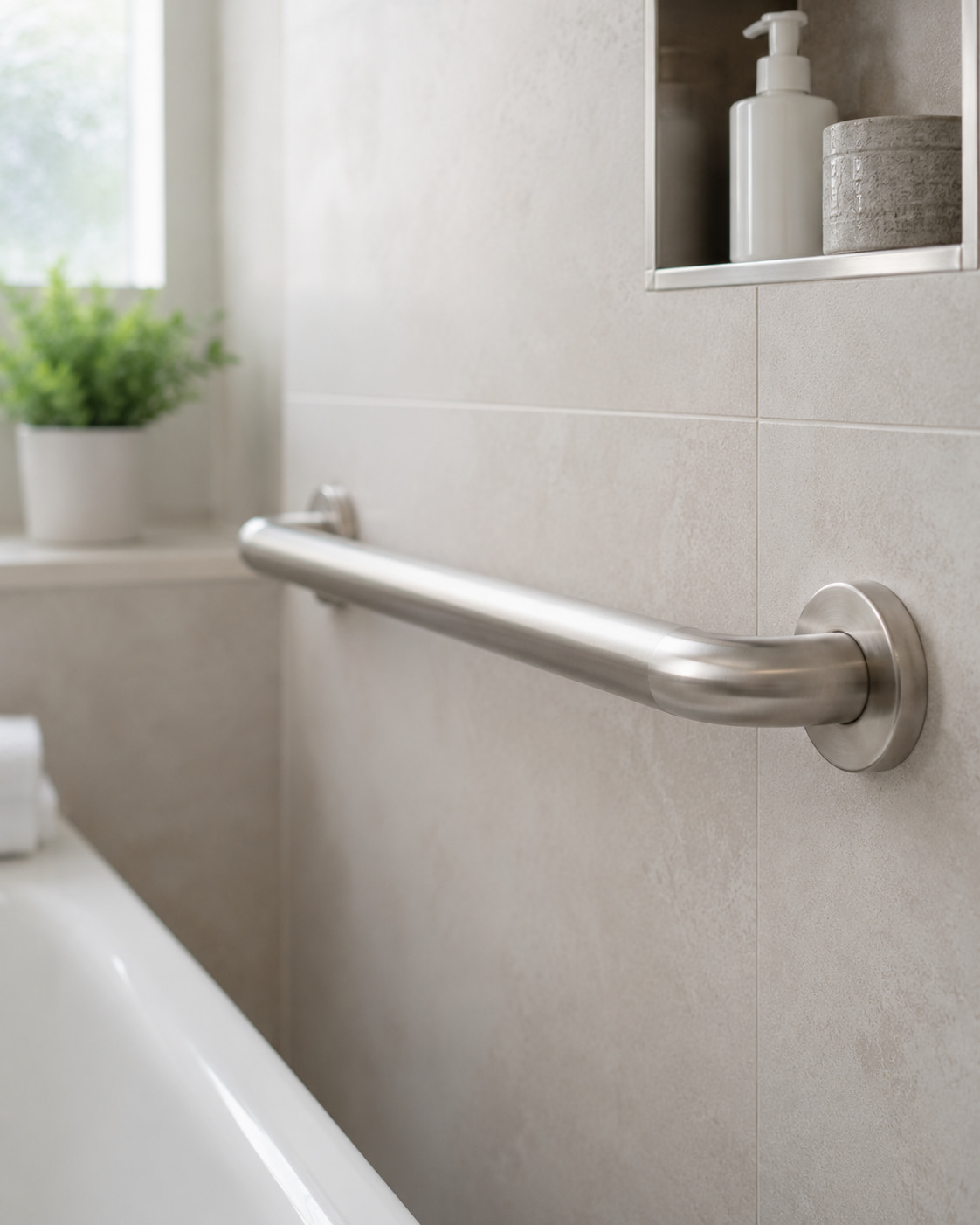
- Secure grab bars
- Non-slip surfaces
- Stable shower seating
- Easy access to toiletries
Properly installed safety equipment helps reduce injury risks.
5. Test Stairway Handrails
Handrails should feel solid and dependable.
Look for:
- Loose brackets
- Wobbling rails
- Missing rail extensions
- Poor lighting on stairs
Stairways should provide continuous support from top to bottom.
6. Check Seating Stability
Favorite chairs often become difficult to use over time.
Look for:
- Low seat height
- Soft cushions that sink excessively
- Sliding furniture
- Lack of arm support
Stable seating makes standing and sitting safer.
7. Manage Power Cords and Electronics
Loose cords are one of the easiest hazards to overlook.
Look for:
- Extension cords across walkways
- Charging cables near walking paths
- Cords hidden under rugs
- Overcrowded power strips
Simple cord management can eliminate major tripping risks.
8. Review Indoor Footwear
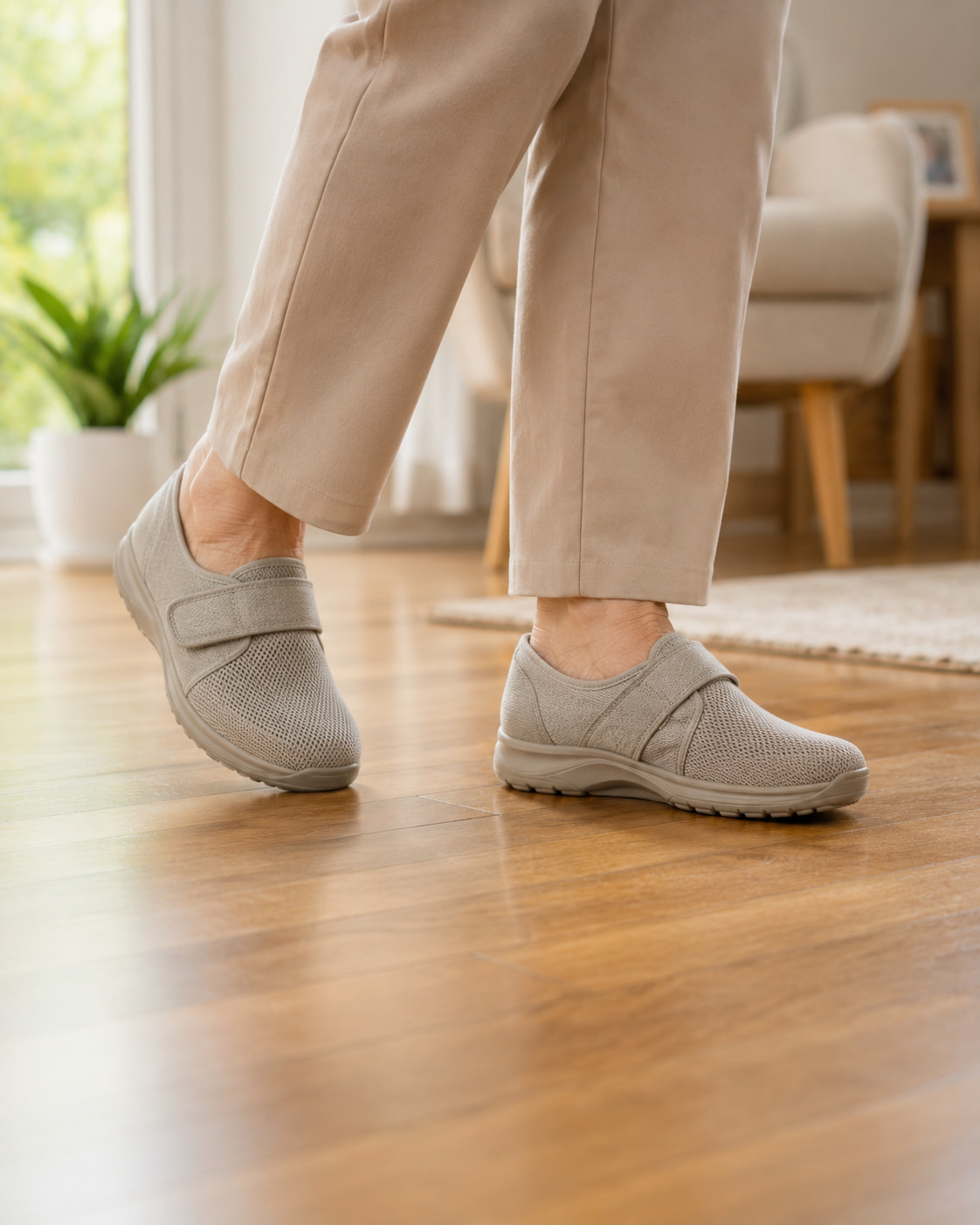
Footwear plays a critical role in fall prevention.
Look for:
- Worn-out slippers
- Backless footwear
- Smooth soles
- Socks without traction
Supportive indoor shoes often provide better stability.
9. Confirm Emergency Communication Access
In an emergency, help should be easy to reach.
Check for:
- Accessible phones
- Charged mobile devices
- Medical alert systems
- Emergency contact lists
Quick access to assistance can significantly improve outcomes after a fall.
10. Inspect Outdoor Walkways
Outdoor hazards are frequently overlooked.
Look for:
- Cracked sidewalks
- Uneven surfaces
- Loose steps
- Slippery leaves or moss
Safe outdoor access is just as important as indoor safety.
Conclusion
Creating a safer home does not require major renovations.
Small improvements made consistently over time can significantly reduce fall risks and improve confidence.
By reviewing these ten areas during every visit, families can identify potential problems early and help aging parents continue living safely and independently in the place they love most.
Related Posts
- 7 Signs an Elderly Parent Should Stop Driving (What Families Often Notice First)
- Why Is My Aging Parent Up All Night? 5 Common Causes of Senior Sleep Changes
- “I Didn't Realize How Exhausted I Had Become” — 5 Signs of Caregiver Burnout Families Often Miss
- 5 Hidden Fall Hazards in Your Aging Parent's Home
Sources
Centers for Disease Control and Prevention (CDC)
National Institute on Aging (NIA)
AARP Home Fit Guide
Occupational Therapy Home Safety Resources
Image Source
AI-generated images