Changes in sleep patterns are common as people age. However, excessive sleeping may sometimes signal underlying physical, emotional, or cognitive concerns.
You call your parent in the afternoon.
No answer.
Later, they explain they were asleep again.
At first, it may not seem unusual.
After all, older adults often nap more than they did when they were younger.
But over time, many families begin noticing a pattern.
Sleeping later in the morning.
Frequent daytime naps.
Less interest in activities they once enjoyed.
For caregivers, it can be difficult to know whether these changes are a normal part of aging or a sign that something else deserves attention.
Here are seven common reasons older adults may begin sleeping more than usual.
1. Natural Changes in Sleep Patterns
Aging naturally affects sleep quality.
Many seniors experience:
• Lighter sleep
• More nighttime awakenings
• Earlier bedtimes
• Earlier wake times
As nighttime sleep becomes less restorative, daytime naps often become more common.

Frequently Asked Questions
Is sleeping more normal for older adults?
Some increase in sleep can be normal. However, sudden or significant changes should be discussed with a healthcare professional.
How much sleep do seniors need?
Most older adults still need around seven to eight hours of sleep per day, although individual needs vary.
When should families become concerned?
If excessive sleep is accompanied by confusion, weight loss, withdrawal, or health changes, further evaluation may be helpful.
2. Medication Side Effects
Many commonly prescribed medications can increase fatigue.
Examples include:
• Blood pressure medications
• Pain medications
• Sleep aids
• Certain antidepressants
Families should pay attention to changes that occur after medication adjustments.
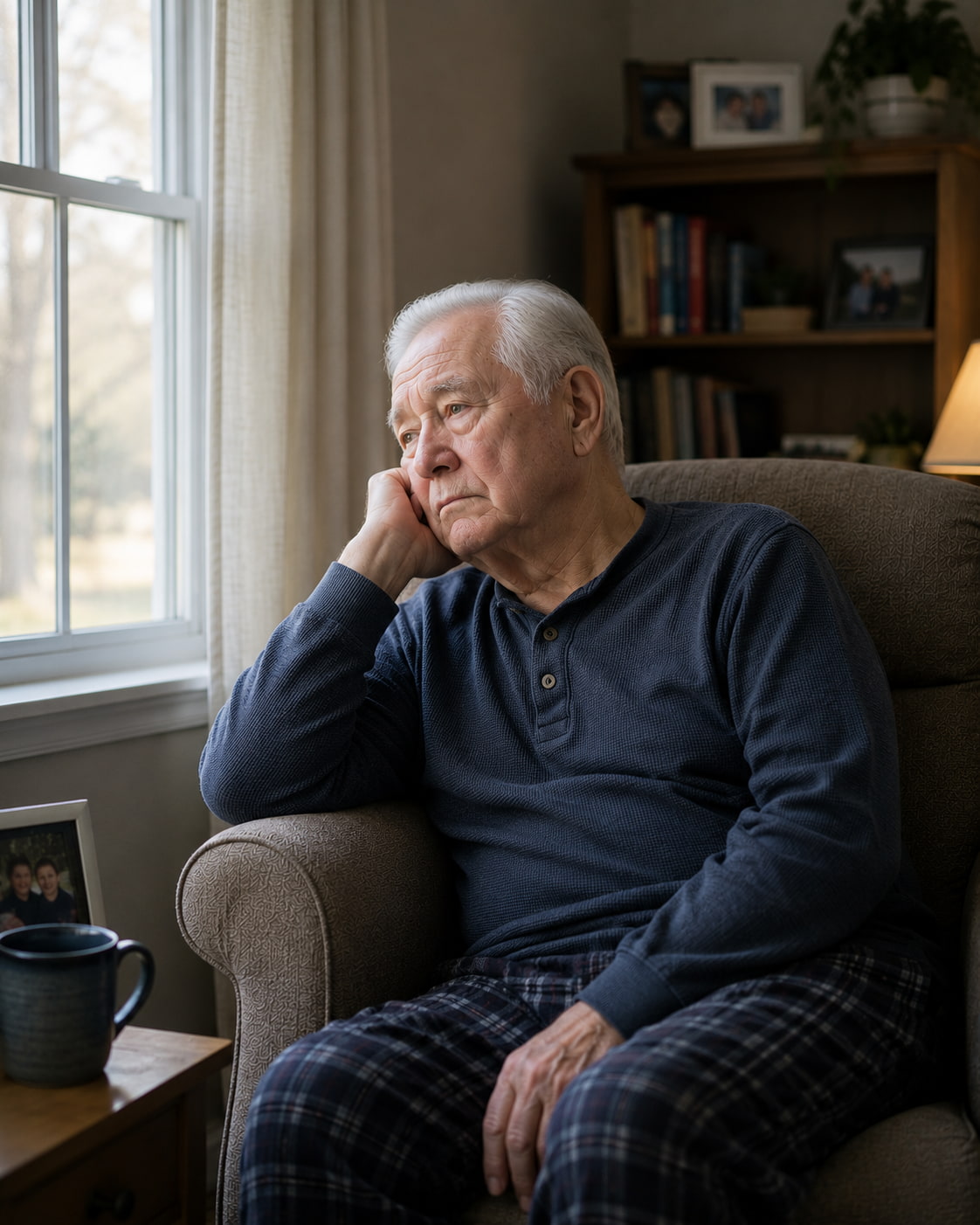
3. Depression and Emotional Isolation
Sleep and emotional health are closely connected.
Older adults experiencing loneliness or depression may:
• Sleep longer than usual
• Lose motivation
• Withdraw from activities
• Spend more time in bed
Sometimes emotional changes appear before families recognize them.
4. Reduced Physical Activity
Less movement often leads to lower energy levels.
Seniors who spend most of the day sitting may experience:
• Increased daytime fatigue
• Poor sleep quality
• Reduced stamina
Regular movement can help improve overall sleep patterns.
5. Underlying Medical Conditions
Several health conditions may increase sleepiness.
Examples include:
• Heart disease
• Diabetes
• Thyroid disorders
• Sleep apnea
Medical concerns should always be considered when sleep habits change significantly.
6. Cognitive Changes
In some cases, dementia or cognitive decline may affect normal sleep-wake cycles.
Families may notice:
• Increased daytime sleeping
• Nighttime wakefulness
• Confusion about time of day
These patterns should be discussed with healthcare providers.

7. Recovery and Healing
Sometimes additional sleep is simply the body's response to illness, injury, or recovery.
After a hospitalization or health setback, extra rest may be expected for a period of time.
Conclusion
Not every increase in sleep is cause for concern.
However, when a parent suddenly begins sleeping much more than usual, it is worth paying attention to the bigger picture.
Changes in mood.
Changes in activity.
Changes in overall health.
By observing these patterns early, families can better understand what support their aging parent may need.
Related Posts
- 5 Warning Signs of Elderly Isolation at Home
- Signs an Elderly Parent May Be Struggling at Home
- They Started Losing Interest in Favorite Things
- They Seemed More Tired Than Usual
Sources
National Institute on Aging (NIA)
Centers for Disease Control and Prevention (CDC)
Mayo Clinic
World Health Organization (WHO)
Image Source
Magnific
AI-generated images