Social isolation in older adults can develop quietly. Small changes in daily habits are often the first signs that an aging parent needs emotional support.
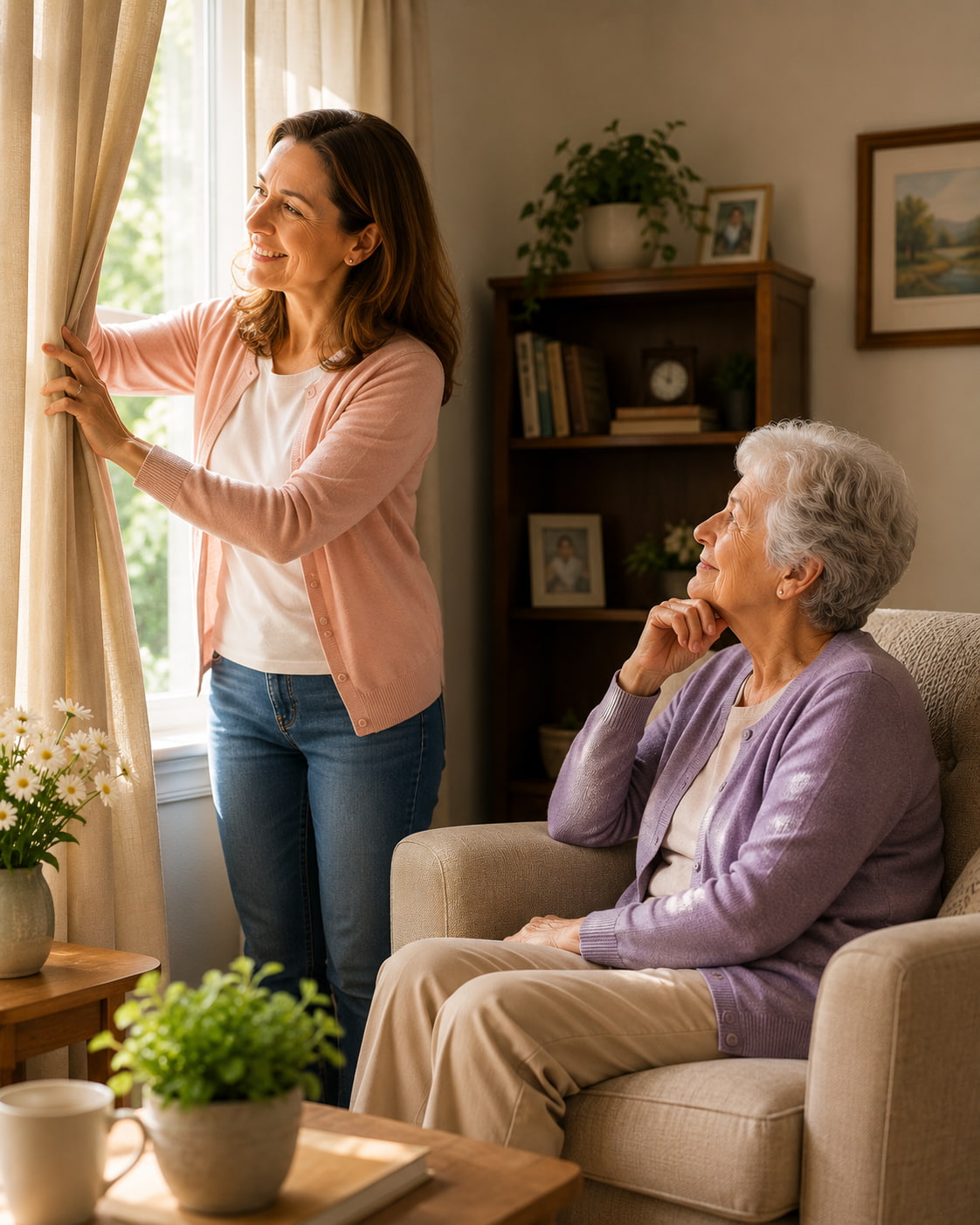
"They stopped opening the curtains."
For a long time, your parent's morning routine was completely predictable.
They would wake up early, open the curtains, let the morning sunlight into the room, and begin their day.
But lately, something feels different.
The curtains stay closed.
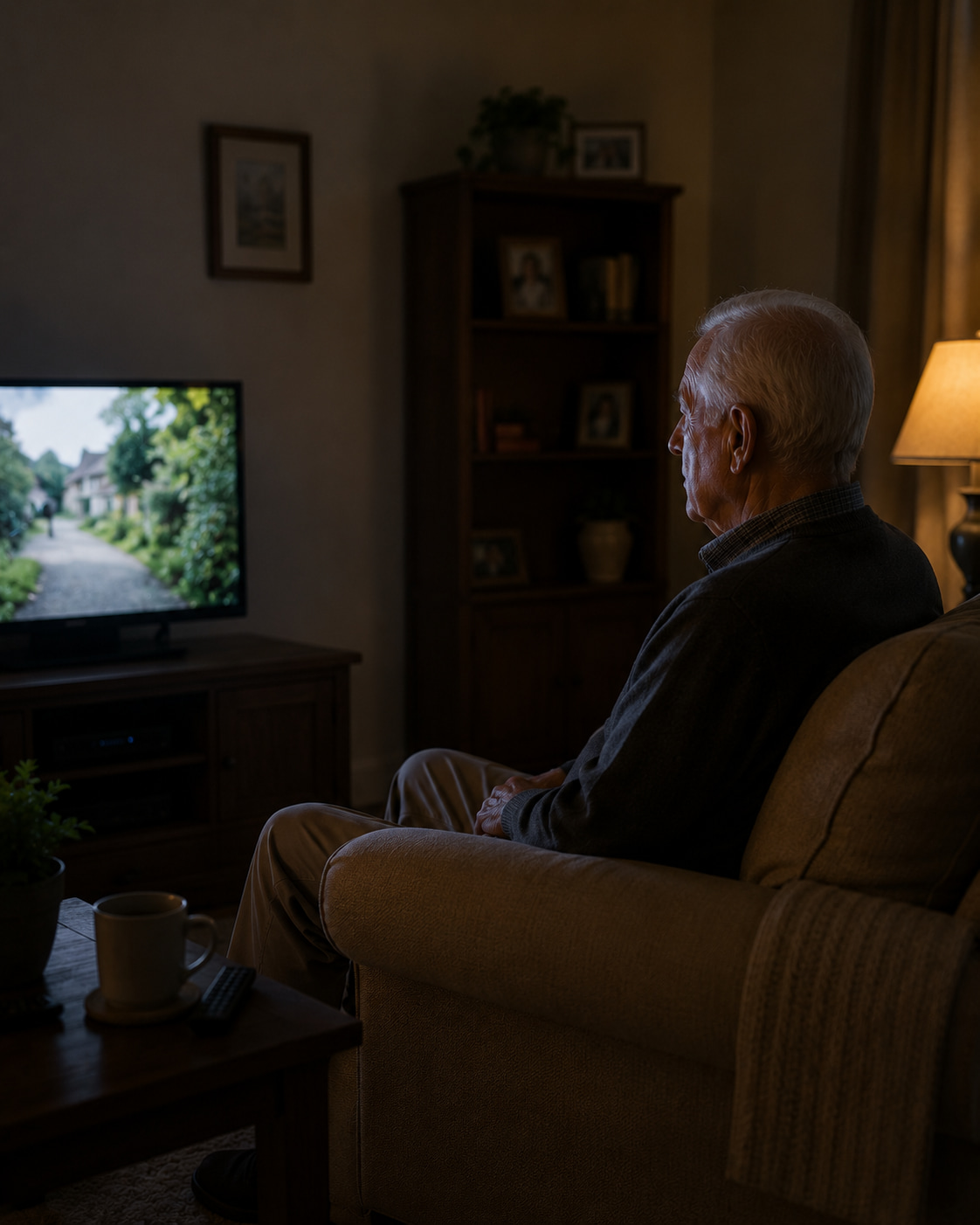
The television stays on all day.
Phone calls go unanswered more often than before.
For many families, these changes may seem small. However, social isolation often appears gradually through subtle shifts in daily routines long before a parent openly talks about feeling lonely.
Before your next visit or phone call, here are five warning signs worth paying attention to.
1. Curtains and Blinds Remain Closed Throughout the Day
A dark home can sometimes reflect an older adult's emotional state.
Families may notice:
• Curtains remaining closed for days
• Less interest in natural light
• Rooms feeling unusually dark or gloomy
When a parent stops engaging with the outside world, isolation may be growing quietly in the background.
Frequently Asked Questions
What is the difference between normal aging and isolation?
A slower pace of life can be normal. However, withdrawing from communication, activities, and daily routines may suggest harmful isolation.
Why do isolated seniors avoid phone calls?
Some older adults feel emotionally exhausted, while others worry about becoming a burden to family members.
How can families help without creating conflict?
Small, consistent contact often works better than pressure. Short visits, phone calls, and shared activities may help rebuild connection.
2. The Television Becomes Constant Background Noise
Many isolated seniors leave the television running for long periods.
Families may notice:
• The TV remaining on all day
• Little interest in the actual programs
• High volume levels throughout the home
Sometimes the television becomes a substitute for social interaction.
3. Phone Communication Starts Declining
Changes in communication habits often appear early.
Examples include:
• Letting calls go to voicemail
• Returning calls less often
• Giving shorter responses than usual
A parent may feel they have little to talk about or simply lack the emotional energy to engage.
4. Personal Grooming Becomes Less Important
Isolation often affects motivation.
Families may notice:
• Wearing the same clothing repeatedly
• Less attention to personal appearance
• Reduced interest in grooming routines
These changes may reflect emotional struggles rather than simple forgetfulness.
5. Fresh Food Begins Going Unused
Eating alone can reduce motivation to cook and eat well.
Warning signs include:
• Expired food in the refrigerator
• Repetitive meals every day
• Reduced grocery shopping
• Unexplained weight loss
Nutrition and emotional well-being are often closely connected.

6. Small Connections Matter More Than Families Realize
Helping an isolated parent does not require dramatic changes.
Simple actions often have the greatest impact:
• More frequent phone calls
• Short family visits
• Shared meals
• Small daily routines together
Consistent connection helps older adults feel valued and supported.
Conclusion
The signs of elderly isolation are rarely dramatic.
A closed curtain.
An unanswered phone call.
A television playing in an otherwise quiet room.
By recognizing these small changes early, families can provide meaningful support before loneliness begins affecting health and quality of life.
Related Posts
- The House Started Feeling Quieter — Signs an Elderly Parent May Be Becoming Isolated
- They Stopped Answering the Phone — Communication Changes Families Often Notice
- They Started Losing Interest in Favorite Things — Emotional Changes Families Notice
- (2026.06.15) Signs an Elderly Parent May Be Struggling at Home
Sources
National Institute on Aging (NIA)
National Academies of Sciences, Engineering, and Medicine (NASEM)
World Health Organization (WHO)
American Psychological Association (APA)
Image Source
Magnific
AI-generated images