👉 Small social and emotional changes families often notice before loneliness becomes serious
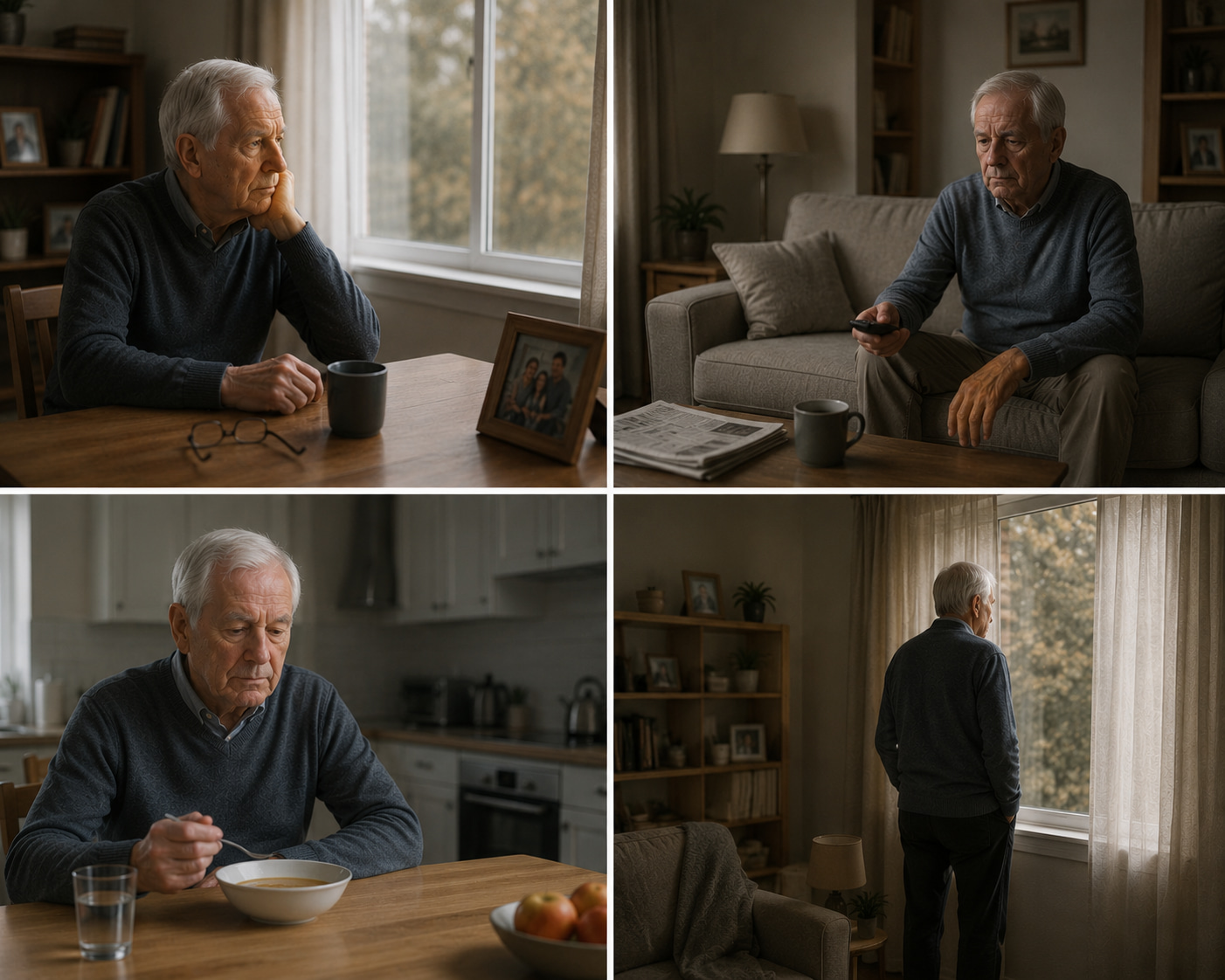
At first, the house just felt quieter.
My father stopped calling as often.
The TV stayed on most of the day.
He no longer talked much about neighbors or friends.
Nothing seemed urgent.
But little by little,
daily life started becoming smaller.
Many families notice these quiet changes
before realizing how isolated an elderly parent has become.
1. Isolation Often Begins Gradually
In many older adults,
isolation happens slowly.
- Fewer phone calls
- Less interest in going outside
- Avoiding gatherings
- Spending more time alone
At first, families may think it is temporary.
❓ FAQ (앞쪽 배치)
What are signs of isolation in elderly parents?
👉 Less social interaction, staying home more often, and emotional withdrawal are common signs.
Is isolation dangerous for seniors?
👉 Long-term isolation can affect both emotional and physical health.
What can families do first?
👉 Small, regular social interaction often helps more than dramatic changes.
2. Daily Conversations Become Shorter
Families sometimes notice subtle changes first.
- Shorter conversations
- Less enthusiasm
- Fewer stories about daily life
The change may feel emotional before it feels physical.
3. Routines and Interests May Start Changing
Isolation can slowly affect everyday routines.
- Skipping hobbies
- Sleeping more
- Eating alone more often
- Losing interest in outings
Daily life may begin shrinking without anyone noticing immediately.

4. Why Many Families Miss the Signs
Isolation does not always look dramatic.
Sometimes parents still appear “fine.”
👉 They may still watch TV
👉 Still answer the phone
👉 Still say everything is okay
But emotionally, life may already feel much smaller.
5. Small Connections Matter More Than Big Changes
In many families,
small moments help the most.
✔ Short visits
✔ Shared meals
✔ Simple conversations
✔ Walking together
Consistency often matters more than intensity.

6. When Isolation Starts Affecting Safety
Sometimes isolation also affects safety and daily life.
Families may notice:
- Forgetfulness increasing
- Less self-care
- Reduced activity
- More emotional distress
At this stage, additional support may help.
👉 See Early Signs an Elderly Parent May Need More Help
👉 See When Should an Elderly Parent Stop Living Alone
✔ Conclusion
Isolation often begins quietly.
Not with one major event,
but with many small changes over time.
And families are usually the first to feel
that something has changed.
👉 You may also find these helpful
🔻 Recommended Posts
- Early Signs an Elderly Parent May Need More Help
- “I’m Fine.” — What Families Often Notice Before an Elderly Parent Accepts Help
- What to Do When Elderly Parent Refuses Help
- Elderly Living Alone Safety Checklist
📚 Sources
World Health Organization (WHO)
National Institute on Aging (NIA)
Family Caregiver Alliance
AARP
Image Source
Magnific
AI-generated images