Many falls happen at home. Small safety changes can often make a significant difference for older adults living independently.
Many families worry about falls.
The concern is understandable.
According to health organizations around the world, falls are one of the leading causes of injury among older adults.
The good news is that many fall risks are preventable.
In fact, some of the most effective safety improvements are simple, affordable, and easy to implement.
If you're caring for an aging parent, these practical changes can help create a safer home environment.
1. Improve Lighting Throughout the Home
Poor lighting increases the risk of trips and falls.
Pay special attention to:
• Hallways
• Staircases
• Bathrooms
• Entryways
Motion-sensor lights can be especially helpful during nighttime bathroom trips.

2. Remove Tripping Hazards
Small obstacles can become major risks.
Look for:
• Loose rugs
• Electrical cords
• Cluttered walkways
• Uneven flooring
Clear walking paths make movement safer and easier.
3. Install Grab Bars in Key Areas
Bathrooms are one of the most common locations for falls.
Consider installing grab bars near:
• Toilets
• Showers
• Bathtubs
Properly installed grab bars provide additional stability when standing or moving.
Frequently Asked Questions
What is the biggest fall risk for seniors?
Multiple factors contribute, but poor balance, reduced strength, medications, and home hazards are among the most common.
Do falls only happen outdoors?
No. Many falls occur inside the home, especially in bathrooms, bedrooms, and hallways.
Are fall prevention changes expensive?
Not necessarily. Many effective improvements are inexpensive and easy to implement.
4. Encourage Supportive Footwear
Footwear matters more than many families realize.
Choose shoes that:
• Fit properly
• Have non-slip soles
• Provide stability
Loose slippers and worn-out shoes may increase fall risk.
5. Keep Frequently Used Items Within Reach
Reaching, climbing, or stretching can increase risk.
Store commonly used items where they can be accessed safely without stools or ladders.

6. Improve Stair Safety
If the home includes stairs, consider:
• Handrails on both sides
• Better lighting
• Non-slip surfaces
• Clear steps free of clutter
Small stair improvements often provide significant safety benefits.
7. Review Medications Regularly
Some medications may contribute to:
• Dizziness
• Fatigue
• Balance problems
Families should discuss concerns with healthcare professionals when appropriate.
8. Encourage Regular Physical Activity
Movement helps maintain:
• Strength
• Balance
• Flexibility
• Confidence
Even simple daily walks may help reduce fall risk over time.
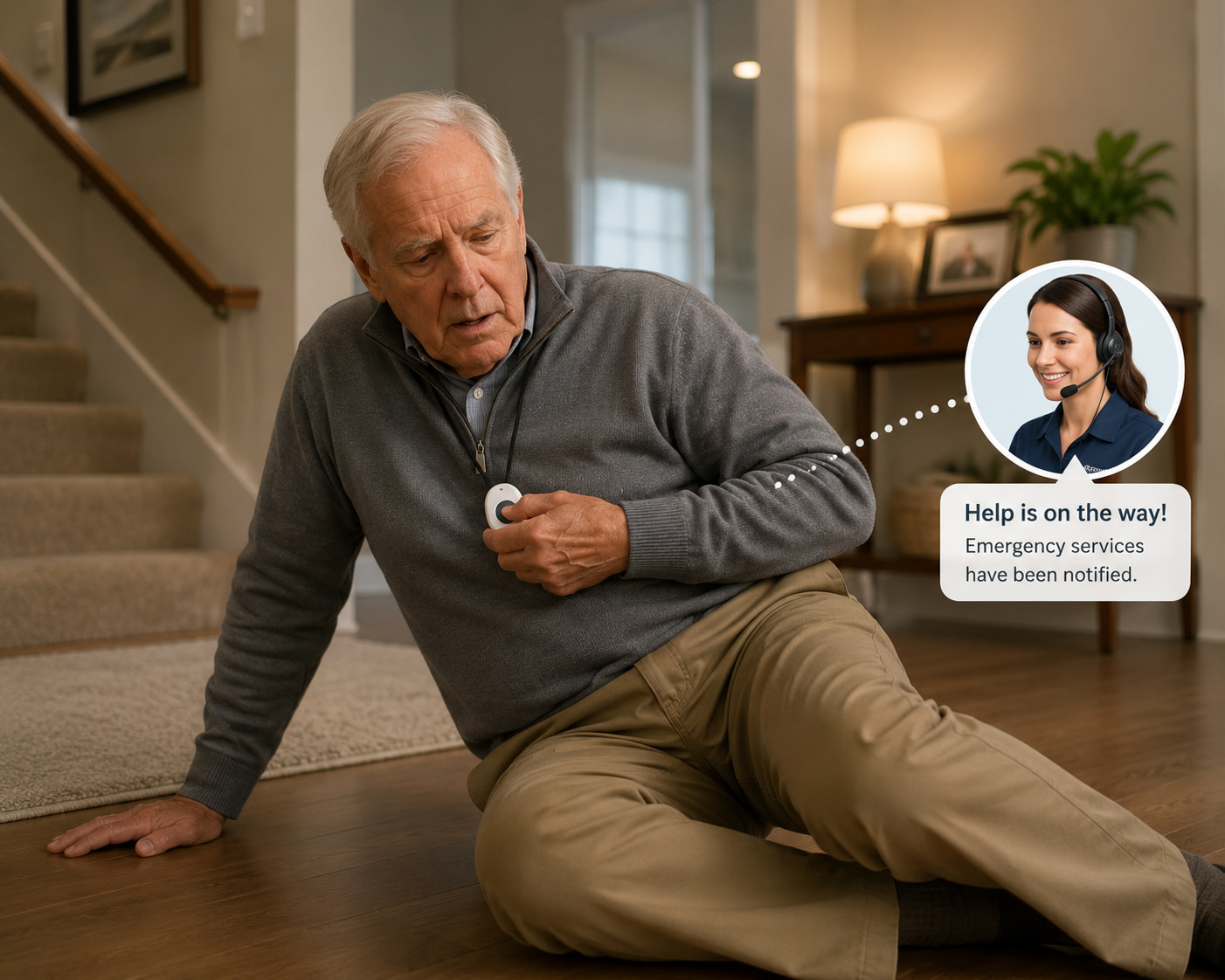
9. Consider Emergency Response Options
For seniors living alone, emergency alert systems may provide additional peace of mind.
Families may want to consider:
• Medical alert devices
• Fall detection systems
• Emergency contact plans
10. Pay Attention to Small Warning Signs
Families often notice early clues before a fall occurs.
Examples include:
• Holding onto furniture while walking
• Moving more cautiously
• Difficulty standing up
• Avoiding stairs
Recognizing these signs early may help prevent future accidents.
Conclusion
Falls rarely happen because of one single factor.
More often, they result from several small risks building over time.
By making simple home safety improvements and paying attention to early warning signs, families can help aging parents remain safer and more independent.
Related Posts
- They Started Moving More Carefully — Balance Changes Families Often Notice
- They Stopped Going Outside — Small Mobility Changes Families Often Notice First
- Best Fall Detection Devices for Elderly in 2026
- Elderly Living Alone Safety Checklist
Sources
Centers for Disease Control and Prevention (CDC)
National Institute on Aging (NIA)
World Health Organization (WHO)
National Council on Aging (NCOA)
Image Source
Magnific
AI-generated images