Quiet home routine changes that may reflect isolation, fatigue, emotional stress, or difficulty managing daily life
At first, it was something small.
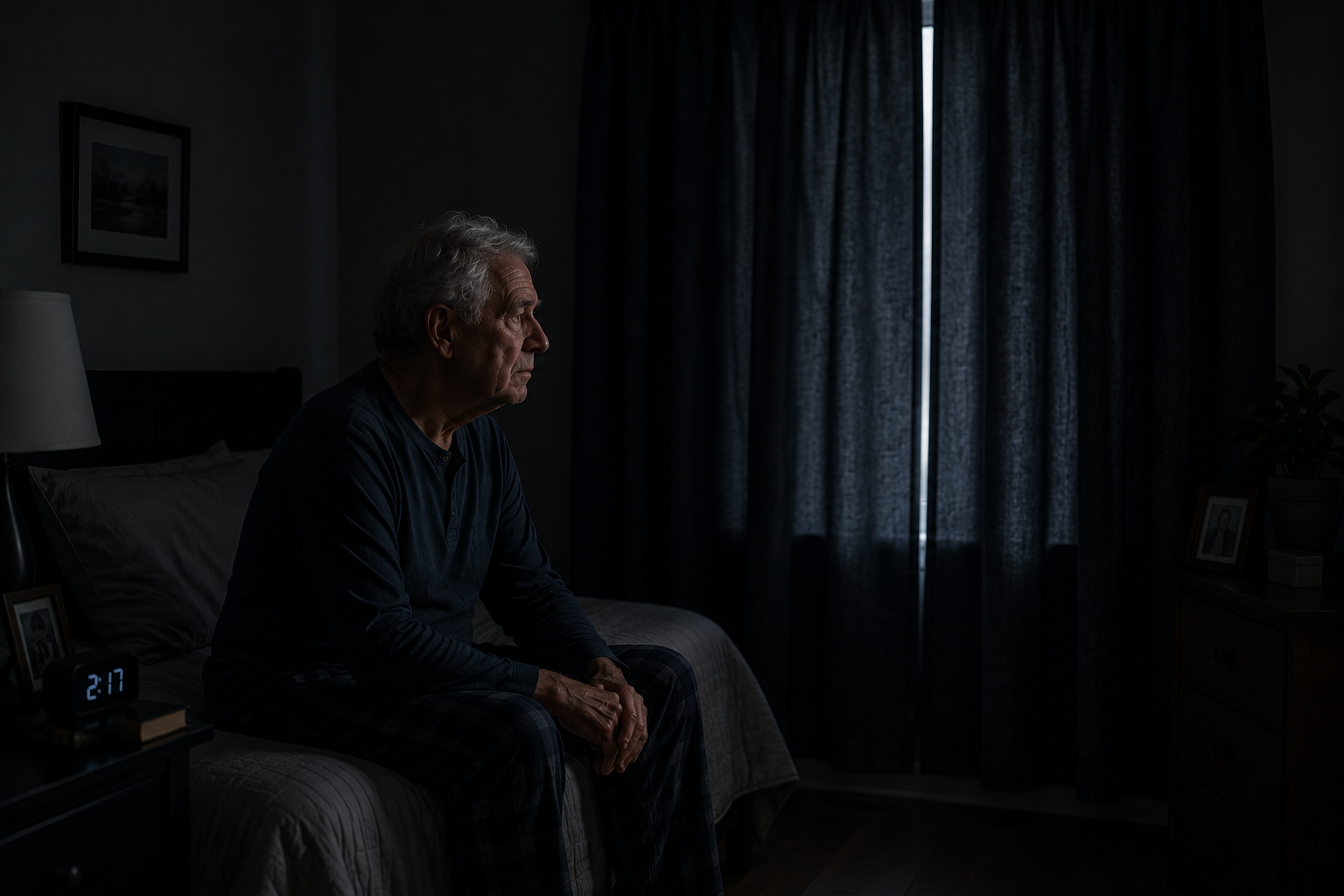
The curtains stayed closed longer than usual.
Rooms became darker during the day.
My father spent more time sitting quietly in the same chair.
Families often notice these changes slowly.
And over time, changes inside the home can sometimes reflect
larger changes happening in daily life and emotional well-being.
1. Home Environment Changes Often Begin Quietly
In many older adults,
daily home routines slowly begin changing.
Families may notice:
• Curtains staying closed
• Lights left off during the day
• Less ventilation
• Spending most of the day in one room
At first, these habits may seem unimportant.
Frequently Asked Questions
Why do elderly parents stop opening curtains or going outside?
Fatigue, emotional stress, reduced mobility, isolation, or low motivation can all affect daily routines.
Is staying indoors always a warning sign?
Not always, but ongoing withdrawal from daily routines should be observed carefully.
When should families become concerned?
When home routine changes begin affecting health, safety, mood, or independence.
2. Small Routine Changes Can Affect Daily Life
Families often notice
that everyday habits slowly begin disappearing.
Older adults may:
• Stay in bed longer
• Avoid outdoor activity
• Spend less time cooking or cleaning
• Lose interest in hobbies or routines
Daily life itself may gradually become smaller.
3. Emotional Well-Being May Also Be Changing
Sometimes home environment changes reflect emotional fatigue too.
Families may notice:
• Less conversation
• Reduced interest in visitors
• Lower energy
• More quiet time alone
These changes often happen gradually over time.

4. Families Often Realize the Pattern Later
Many caregivers later think:
“The house itself started feeling different.”
Small environmental changes sometimes appear
before larger caregiving concerns become obvious.
5. Gentle Daily Connection Often Helps Most
In many families,
small moments of connection feel most natural.
• Opening windows together
• Short walks outside
• Shared meals
• Spending quiet time together
Small routines can help daily life feel more active again.

6. When Home Routine Changes Affect Safety
Sometimes withdrawal from daily routines also affects safety.
Families may begin noticing:
• Poor eating habits
• Missed medications
• Increased isolation
• Reduced self-care
At this stage, additional support may help.
See Fatigue Changes Families Often Notice in Elderly Parents
See Signs an Elderly Parent May Be Becoming Isolated
Conclusion
Home routine changes often begin quietly.
Not with one major event,
but with many small habits slowly disappearing over time.
And families are often the first to notice
that the atmosphere of daily life has changed.
Related Posts
- Fatigue Changes Families Often Notice in Elderly Parents
- Everyday Changes Families Often Notice First
- Communication Changes Families Often Notice
- Signs an Elderly Parent May Be Becoming Isolated
Sources
World Health Organization (WHO)
National Institute on Aging (NIA)
Family Caregiver Alliance
AARP
Image Source
Magnific
AI-generated images